
The Ancient Art of Hot Stone Massage: A Complete Guide
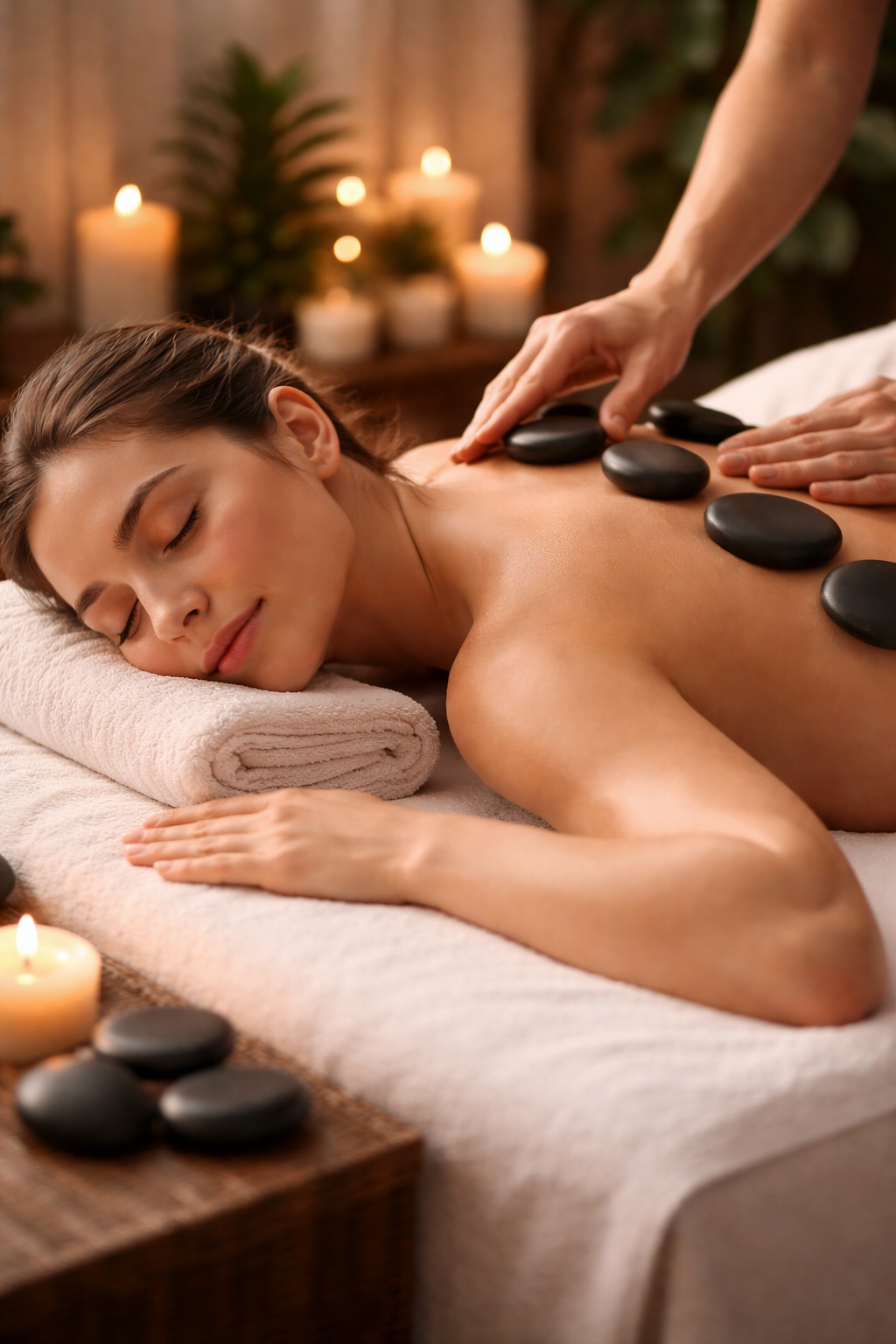
When most people think of hot stone massage, they imagine smooth stones simply resting on their back. But this therapeutic practice is far more dynamic and sophisticated than that. Hot stone massage combines the deep warmth of heated stones with skilled massage techniques to create a uniquely effective healing experience.
The Ancient Origins of Hot Stone Massage
Hot stone massage has roots that stretch back thousands of years across multiple cultures. Ancient Chinese practitioners used heated stones in traditional medicine as early as 2,000 years ago, while Native American healing traditions incorporated heated stones in sweat lodge ceremonies and therapeutic treatments. Hawaiian healers practiced a form of hot stone massage called “pohaku” therapy, and ayurvedic practitioners in India have long understood the healing properties of heated stones combined with massage.
The modern resurgence of hot stone massage began in 1993 when massage therapist Mary Nelson developed a specific technique called LaStone Therapy in Arizona. Her systematic approach combined traditional massage knowledge with the therapeutic application of heated (and sometimes cooled) stones, helping to standardize and popularize the practice in spas and wellness centers worldwide.
Where Traditional Hot Stones Are Sourced
The stones used in hot stone massage aren’t just any rocks pulled from a riverbed. Practitioners typically use basalt, a type of volcanic rock formed from cooled lava. Basalt is chosen for several specific reasons: it has exceptional heat retention properties, a smooth surface that glides easily across skin, and a dense composition that allows it to maintain consistent temperatures throughout a treatment session.
These stones are most commonly sourced from riverbeds and ocean shores, where centuries of water flow have naturally polished them into smooth, flat shapes. The Pacific Northwest, Hawaii, and areas with volcanic activity are popular sourcing locations. Stones are carefully selected for their size, shape, and texture. A typical hot stone massage set includes various sizes, from large stones placed on the back to smaller stones that fit between toes or in the palms of hands.
How Hot Stone Massage Is Actually Performed
Hot stone massage is far more than passive stone placement. It’s an active, hands-on therapy that combines multiple techniques. The stones are heated in water to temperatures between 110-130°F (43-54°C), carefully monitored to ensure they’re therapeutic but never uncomfortably hot.
A typical session begins with the therapist applying oil to the skin, then using the heated stones as extensions of their hands. The techniques include gliding strokes where stones are swept along muscle fibers in long, flowing motions that warm tissue and promote circulation. Therapists also use circular movements with the stones to work specific areas, and kneading techniques where stones help manipulate deeper muscle tissue.
Trigger point release is another crucial technique, where the therapist applies sustained pressure with a stone to specific tight spots in muscles, allowing the combination of heat and pressure to release tension. Some practitioners also use a technique called “stone tapping,” where cooler stones are gently tapped against the skin to stimulate circulation and energy flow.
Between active techniques, stones may be strategically placed along the spine, in the palms, between toes, or on the abdomen to provide continuous warming while the therapist works other areas. Some treatments alternate between hot and cold stones, creating a vascular response that further promotes healing.
The Benefits of Hot Stone Massage
The therapeutic benefits of hot stone massage extend beyond simple relaxation. The heat from the stones penetrates deep into muscles, increasing blood flow and oxygen delivery to tissues. This enhanced circulation helps flush out metabolic waste products and brings healing nutrients to damaged or tense areas.
The warmth allows muscles to relax more quickly and completely than they might during traditional massage, enabling the therapist to work more effectively on deep tissue without excessive pressure. Many people find they can tolerate deeper work when stones are used because the heat prepares the tissue first.
Hot stone massage also significantly reduces stress and anxiety by activating the parasympathetic nervous system, which promotes the body’s rest and healing response. The combination of warmth, therapeutic touch, and the weight of the stones creates a profound sense of grounding and calm that can persist long after the session ends.
Additional benefits include improved sleep quality, enhanced mental clarity, reduced inflammation in joints and muscles, and support for the lymphatic system’s natural detoxification processes. The treatment can also improve flexibility and range of motion by releasing adhesions and tension in connective tissue.
Conditions Commonly Treated by Hot Stone Massage
Healthcare providers and massage therapists often recommend hot stone massage for a variety of specific conditions. Chronic muscle tension and pain, particularly in the back, neck, and shoulders, respond exceptionally well to the deep warmth and targeted pressure. People with fibromyalgia often find relief from the gentle heat and the reduced need for intense pressure.
Arthritis sufferers may benefit from the anti-inflammatory effects and the improved circulation to stiff joints. The treatment is frequently used for stress-related conditions including anxiety, depression, and insomnia, as the deeply relaxing nature of the therapy helps reset the nervous system.
Sports injuries, including strains and overuse injuries, heal more effectively when hot stone massage is incorporated into treatment plans because the enhanced blood flow accelerates tissue repair. People with poor circulation, including those with Raynaud’s disease (though with careful temperature monitoring), can benefit from the vascular stimulation.
Hot stone massage also helps with headaches and migraines, particularly when tension in the neck and shoulders is a contributing factor. Some practitioners use the therapy to support digestive health, placing stones on the abdomen to promote relaxation of the digestive tract and reduce stress-related digestive issues.
Safety Considerations
While hot stone massage is generally safe, it’s not appropriate for everyone. People with diabetes, cardiovascular disease, or conditions affecting temperature sensation should consult healthcare providers before receiving treatment. Pregnant women, those with skin conditions or open wounds, and anyone taking blood-thinning medications should also seek medical advice first.
Conclusion
Hot stone massage is a sophisticated therapeutic practice that honors ancient healing wisdom while incorporating modern massage techniques. It’s not simply about placing hot stones on the body but about using those stones as therapeutic tools to glide, press, release, and heal. Whether you’re seeking relief from chronic pain, looking to reduce stress, or simply wanting to experience deep relaxation, hot stone massage offers a unique combination of warmth, touch, and technique that few other therapies can match.